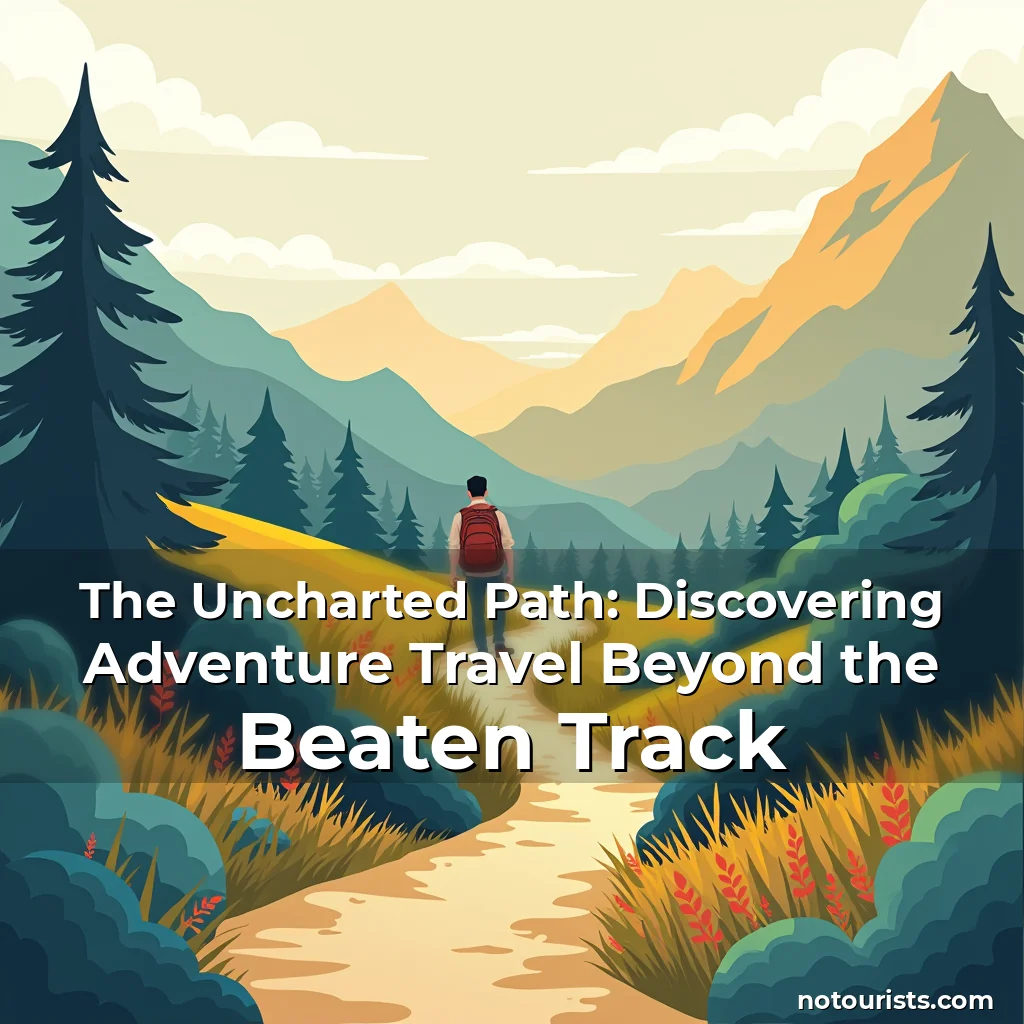
The Uncharted Path: Discovering Adventure Travel Beyond the Beaten Track
In an era where mass tourism has turned once-hidden gems into overcrowded destinations, true adventurers are seeking something different—experiences that challenge their limits and connect them deeply with nature. This is the world of adventure travel, where the thrill lies not in sightseeing but in exploration.
Adventure travel is not merely about physical challenges; it’s a journey inward as much as outward. It demands resilience, curiosity, and a willingness to embrace the unknown. For those who crave more than postcard-perfect landscapes, this form of travel offers unparalleled rewards.
Redefining the Boundaries of Exploration
Traditional vacation models often prioritize comfort over connection. But adventure travelers trade luxury resorts for rugged terrain, guided tours for self-discovery, and predictable schedules for spontaneous encounters with the wild.
This shift requires rethinking how we define safety and success. Where others see risk, adventure enthusiasts find opportunity—a chance to grow beyond perceived limitations through immersion in unfamiliar environments.
The essence of authentic adventure lies in its unpredictability. A sudden weather change might transform a hiking trip into a survival lesson, while a missed bus could lead to meeting local guides with invaluable knowledge.
Modern technology enables safer journeys without compromising the spirit of exploration. GPS devices, satellite phones, and emergency beacons allow adventurers to push boundaries responsibly while maintaining essential connections back home.
Cultural Immersion Through Movement
Physical activity becomes the bridge between traveler and destination when embracing adventure travel. Trekking through mountain passes or navigating river rapids creates shared experiences with locals who understand these terrains intimately.
These interactions foster deeper cultural understanding than any museum exhibit ever could. When you’re physically engaged in a landscape, you begin to appreciate the nuances of life shaped by geography and tradition.
Bridging Generational Gaps
Youth-led adventure initiatives have become vital conduits for cross-generational learning. Programs pairing experienced trekkers with young explorers create dynamic exchanges of skills and perspectives.
A study by the Global Adventure Council found that intergenerational travel groups show increased adaptability and problem-solving abilities compared to solo adventurers. The combination of youthful energy and seasoned wisdom proves particularly effective in challenging environments.
Environmental Stewardship in Motion
Adventure travel inherently promotes environmental consciousness. When you traverse remote wilderness areas, you develop a personal responsibility towards preserving natural beauty for future generations.
Eco-conscious adventure companies now offer carbon-neutral expeditions, using renewable energy sources and implementing waste reduction strategies across all operations. These efforts ensure that your quest doesn’t come at nature’s expense.
Sustainable practices extend beyond corporate policies. Individual adventurers can minimize impact by following Leave No Trace principles, supporting conservation projects, and choosing eco-friendly gear made from recycled materials.
Technological Enhancements Without Compromise
While adventure travel celebrates raw experience, modern tools enhance rather than replace authenticity. Drones capture breathtaking aerial views without disturbing wildlife habitats, while biodegradable trail markers guide hikers sustainably.
Digital mapping technologies now provide real-time information about weather patterns, trail conditions, and potential hazards—all accessible via lightweight smart devices designed specifically for outdoor use.
Virtual reality pre-trip simulations help adventurers prepare mentally and physically before embarking on actual journeys, reducing risks associated with unpreparedness while deepening their commitment to the expedition ahead.
Finding Your Personal Adventure Niche
From high-altitude mountaineering to deep-sea diving, there exists an adventure for every personality type and fitness level. Identifying what excites you most will shape the kind of journey you seek.
Beginners might start with multi-day backpacking trips, gradually building endurance and confidence before tackling more demanding pursuits. Each step forward opens new possibilities along the path of discovery.
Community-based adventure programs offer structured yet flexible options for those unsure where to begin. These programs often include mentorship components that accelerate skill development safely.
Your ideal adventure depends heavily on your preferred pace. Some thrive on fast-paced, action-packed days, while others prefer slower, reflective journeys allowing time for observation and contemplation.
Seasonal considerations play a crucial role too. Certain activities require specific weather windows—for example, climbing Mount Kilimanjaro is best attempted during dry seasons when trails are less slippery and visibility is clearer.
Health Considerations for Adventurers
Before embarking on any significant adventure, consult healthcare professionals familiar with extreme environments. They can advise on necessary vaccinations, altitude sickness prevention, and heat/cold acclimatization techniques.
Mental health deserves equal attention alongside physical preparation. Mindfulness exercises, stress management techniques, and psychological readiness training equip adventurers to handle isolation and unexpected situations effectively.
Packing appropriate medical supplies tailored to your destination is non-negotiable. Include items like first aid kits, blister treatment solutions, and medications for common ailments encountered in remote locations.
Hydration remains critical at all times, especially in arid regions or during intense physical exertion. Carry enough water purification tablets or filters to ensure access to clean drinking water regardless of location.
The Social Fabric of Adventure Communities
Shared adventures forge bonds that transcend typical tourist relationships. Companionship built under challenging circumstances creates lasting friendships grounded in mutual respect and trust.
Online platforms now connect global communities of adventurers, enabling collaborative planning and shared experiences even before departure. These networks facilitate resource sharing and support systems crucial for successful expeditions.
Local guides serve as both instructors and cultural ambassadors, providing insights unavailable through books or digital media alone. Their expertise enriches the journey immeasurably while ensuring participant safety.
Group dynamics significantly influence the quality of an adventurous experience. Establishing clear communication protocols, defining roles within teams, and fostering inclusive decision-making processes contribute to smoother journeys overall.
Financial Planning for Sustainable Adventures
Adventure travel needn’t break the bank. Budgeting wisely involves researching cost-effective transportation options, accommodation choices, and meal planning strategies that align with your financial goals.
Consider alternative funding methods such as crowdfunding campaigns, sponsored trips, or participating in exchange programs that reduce expenses while offering unique opportunities abroad.
Travel insurance specifically tailored for adventure seekers provides peace of mind against unforeseen events ranging from equipment failure to emergency evacuations requiring substantial funds.
Investing in durable, multifunctional gear pays dividends over time. While initial costs may seem steep, long-term savings from reduced replacements make these purchases financially prudent decisions.
Measuring Success Beyond Milestones
Traditional metrics of travel success—photos taken, places visited—are secondary to intangible gains achieved through adventure. True fulfillment comes from personal growth, expanded worldview, and enhanced capabilities gained during the journey.
Reflective journaling after each adventure helps track progress toward individual objectives, whether mastering a particular skill set or simply gaining greater appreciation for diverse cultures.
Sharing stories and lessons learned with others amplifies the value of your experiences. Teaching someone else what you’ve discovered reinforces your own understanding while inspiring further exploration.
Each adventure adds another layer to your evolving narrative, shaping identity and perspective in ways conventional vacations rarely achieve. These cumulative experiences define who you become as an explorer.
Conclusion
Adventure travel transforms passive observers into active participants in the grand story of our planet. It challenges assumptions, expands horizons, and fosters profound connections—with nature, with people, and ultimately with oneself.
To truly engage with the world, consider trading curated itineraries for open-ended journeys filled with uncertainty and possibility. The road less traveled promises discoveries far richer than any well-worn path ever could.