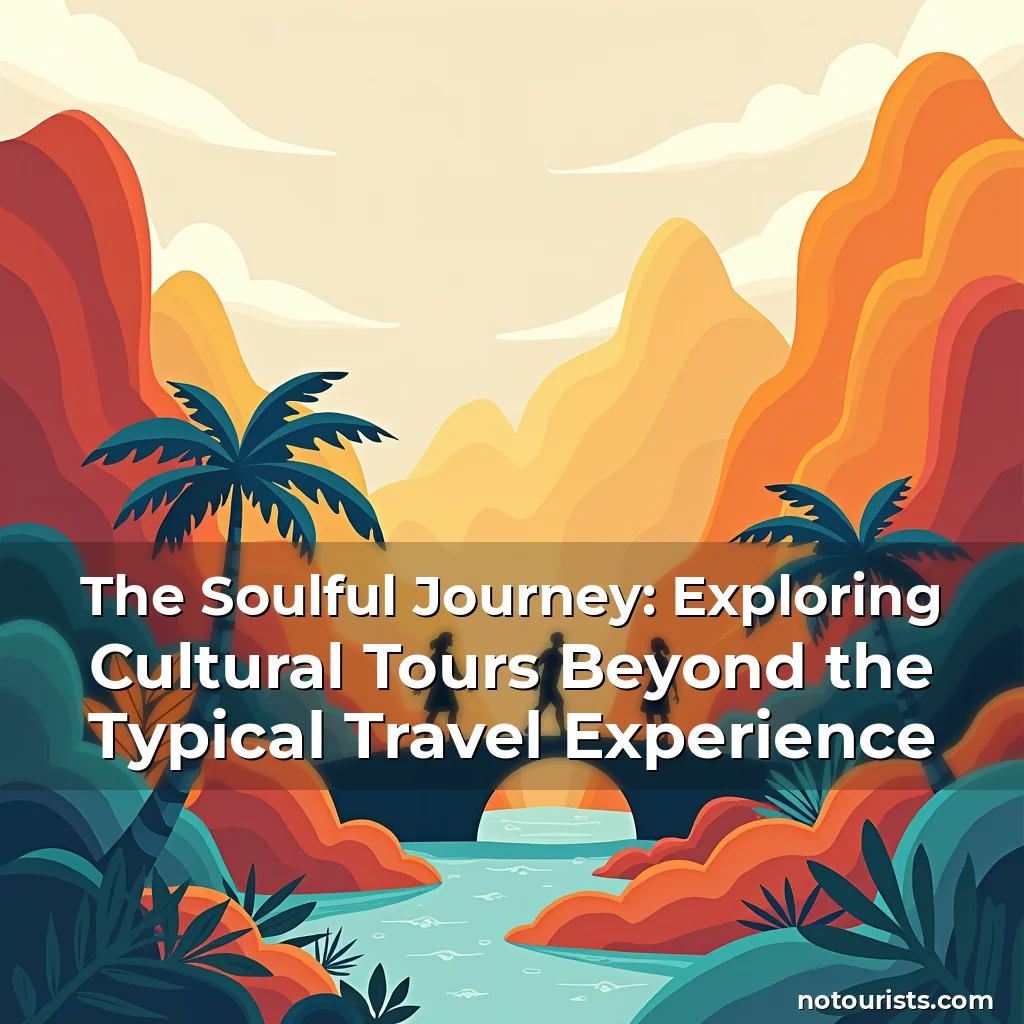
The Soulful Journey: Exploring Cultural Tours Beyond the Typical Travel Experience
In an age where travel has become increasingly commercialized and homogenized, cultural tours offer a refreshing alternative that immerses travelers in the authentic heartbeats of destinations around the world. Unlike conventional tourist routes, these journeys are designed to connect individuals with local traditions, history, and daily life through immersive experiences rather than surface-level sightseeing.
Cultural tours provide opportunities for meaningful engagement with communities, allowing visitors to understand the intricate tapestry of human culture from within. Whether exploring ancient temples in Kyoto or participating in traditional dances in Bali, each tour is crafted to foster deep appreciation and respect for different ways of living.
Understanding the Essence of Cultural Tourism
Cultural tourism encompasses various forms of travel aimed at experiencing the intangible heritage of societies—ranging from festivals and rituals to culinary arts and music. This form of travel goes beyond mere observation; it invites participants to actively engage with the culture they encounter.
At its core, cultural tourism seeks to bridge gaps between cultures by encouraging mutual understanding and empathy among people who might otherwise never meet. It transforms passive spectators into active contributors to cross-cultural dialogue.
One of the key aspects of cultural tourism is its emphasis on sustainability. Ethical operators prioritize partnerships with local communities, ensuring that economic benefits remain within those regions while preserving their cultural integrity.
This approach contrasts sharply with mass tourism, which often leads to environmental degradation and exploitation of indigenous practices under the guise of entertainment. Responsible cultural tours recognize the importance of maintaining ecological balance alongside cultural preservation efforts.
- Participation over Observation: Encouraging tourists to join hands-on activities such as cooking classes or craft workshops fosters deeper connections compared to simply viewing artifacts behind glass cases.
- Educational Value: Many cultural tours incorporate expert guides who share historical context and personal stories, enriching the traveler’s experience significantly.
Planning Your First Cultural Tour: A Step-by-Step Guide
Selecting the right cultural tour requires careful consideration based on individual interests and values. The first step involves identifying what kind of cultural immersion you seek—from language learning programs to archaeological site visits.
Researching reputable tour companies is crucial. Look for organizations certified by recognized bodies like the Global Sustainable Tourism Council (GSTC) that demonstrate commitment to ethical standards and sustainable development goals.
Once potential options have been narrowed down, reading reviews from past travelers can provide invaluable insights regarding both positive experiences and areas needing improvement.
It’s also wise to inquire about the itinerary structure—whether it follows structured schedules or allows flexibility for spontaneous exploration—and assess how well it aligns with your expectations for depth versus breadth of experience.
Finally, considering financial implications including costs associated with accommodation, transportation, and any additional fees related to entry permits or conservation charges helps ensure realistic budgeting before departure.
Destinations That Define Cultural Immersion Experiences
From the vibrant streets of Marrakech to the serene monasteries nestled high above Cusco, certain locations stand out for offering unparalleled levels of cultural enrichment. These places invite explorers not only to witness but also participate fully in the lives unfolding there.
Marrakech exemplifies Moroccan culture through its bustling souks filled with colorful textiles and aromatic spices. Visitors can interact directly with artisans creating intricate mosaics or learn about centuries-old tannery techniques used locally.
In contrast, Japan presents a meticulously curated blend of tradition meeting modernity, particularly evident during seasonal events like cherry blossom viewings or tea ceremonies held across various prefectures nationwide.
Each destination tells its own story—one shaped by geography, climate, religion, politics, and countless other factors influencing societal norms today. Understanding these contexts enhances appreciation when visiting new places.
Insights Into Popular Cultural Destinations
Data shows that Southeast Asia remains highly sought after due largely because of rich ethnic diversity combined with relatively accessible visa policies facilitating easier access for international guests.
Vietnam specifically ranks among top choices thanks partly to UNESCO World Heritage Sites scattered throughout its territory along with thriving markets showcasing regional specialties available year-round regardless seasonality effects.
Australia offers another compelling option where Indigenous Australian cultures continue playing vital roles even amidst rapid urbanization trends occurring nationally since late twentieth century onwards.
These examples highlight how geographical proximity alone doesn’t determine popularity; instead, unique offerings tailored towards fulfilling diverse traveler preferences drive demand effectively across continents globally.
Experiential Learning Through Cultural Exchange Programs
Cultural exchange programs represent yet another avenue through which travelers can deepen their knowledge and understanding of foreign customs without necessarily embarking upon formal vacation trips abroad.
Such initiatives typically involve stays lasting several weeks up months long periods during which participants live amongst host families, attend school together with locals, and partake regularly scheduled excursions organized jointly between organizers & residents alike.
Language acquisition plays central role here too—many programs emphasize proficiency gains via intensive study sessions conducted either privately one-on-one basis or group settings depending program specifics outlined ahead time application process commenced.
Beyond linguistic skills however lie broader educational outcomes encompassing topics ranging social etiquette norms differing drastically regionally speaking until technological advancements shaping contemporary lifestyles similarly varying widely worldwide scope.
Participants frequently return home transformed not merely linguistically competent individuals anymore but culturally sensitive global citizens capable navigating complexities inherent multicultural environments confidently nowadays.
Fostering Respectful Engagement With Local Communities
Respectful interaction lies at foundation successful cultural touring endeavors ensuring mutual benefit derived equally from encounters happening between visitors residing temporary sojourners versus permanent inhabitants place visited.
Gaining prior approval before photographing someone especially children elderly persons considered respectful gesture demonstrating awareness boundaries others may feel uncomfortable crossing involuntarily.
Purchase items produced ethically fair trade principles whenever possible contributing positively economies simultaneously respecting intellectual property rights belonging original creators whose works being showcased publicly now.
Engaging politely asking questions seeking clarification concerning unfamiliar behaviors practices observed onsite promoting open communication channels enhancing overall experience enjoyed collectively involved parties engaged throughout duration stay.
Being mindful gestures body language utilized appropriately conveying intentions accurately preventing misunderstandings potentially arising misinterpretation nonverbal cues differently interpreted across cultures present situationally dependent circumstances encountered daily routines.
Overcoming Challenges Associated With Cross-Cultural Communication
Despite best intentions sometimes obstacles emerge hindering smooth exchanges between foreigners native speakers owing primarily differences existent languages spoken commonly across globe leading confusion miscommunication incidents occasionally occurring.
To mitigate risks posed multilingual barriers many cultural tour providers employ professional interpreters fluent multiple tongues enabling seamless transitions between conversations carried out exclusively using primary official dialect(s) prevalent area under investigation currently taking place.
Additionally utilizing visual aids such maps diagrams flowcharts proves helpful illustrating abstract concepts concretely making information digestible even without shared vocabulary sufficient comprehension achieved readily attainable state desired outcome reached successfully.
Demonstrating patience willingness listen carefully absorbing nuances conveyed verbally nonverbally further strengthens relationships built gradually overtime fostering trust necessary groundwork required establishing rapport essential component effective intercultural relations maintained consistently over extended durations spent interacting closely with local populations.
Ultimately success depends heavily upon cultivating genuine curiosity interest towards discovering similarities differences characterizing distinct cultures existing parallel existence enhancing collective human experience universally applicable principle transcending borders separating nations inhabiting planet Earth today.
The Role Of Technology In Enhancing Cultural Exploration
Technological innovations revolutionize way people explore discover cultures previously unimaginable avenues opened accessibility expanded dramatically thanks digital tools integrated seamlessly within modern day travel industry landscape reshaped fundamentally overnight seemingly instantaneously.
Virtual reality (VR) headsets allow users simulate presence actual sites remotely providing immersive previews helping decide whether particular location worth visiting physically afterwards based simulated experiences received beforehand through virtual means offered conveniently anytime anywhere convenient preferred choice selected personally.
Augmented reality applications enhance physical realities overlaying layers informative data onto real-world objects thereby transforming static monuments interactive storytelling devices narrating histories embedded within structures themselves dynamically responding inputs provided users engaged actively during visitation period experienced firsthand.
Social media platforms serve dual purpose acting both promotional vehicles attracting attention potential customers simultaneously functioning repository user-generated content documenting adventures undertaken elsewhere serving inspiration sources future expeditions planned accordingly informed decisions made wisely considering lessons learned applied practically moving forward.
Mobile apps developed specifically cater needs tourists wishing delve deeply into specific subjects related particular regions studied intensively offering guided audio walks explaining architectural significance behind buildings stood proudly skyline cities visited recently acquired newfound appreciation enriched greatly due enhanced contextual understanding gained through technology-assisted navigation facilitated easily without hassle whatsoever encountered along journey taken thus far.
Preserving Authenticity Amidst Commercialization Pressures
Rapid globalization brings challenges threatening authenticity cherished cultural elements risk becoming diluted commodified versions original essence lost irreversibly once altered permanently through careless handling insensitive approaches adopted unethically exploiting sacred symbols profiting commercially disregarding spiritual meanings attached them initially.
Tourism boards government agencies collaborate private sector stakeholders implementing regulations safeguarding heritage assets limiting excessive commercial developments near historically significant landmarks restricting intrusive modifications disturbing delicate ecosystems surrounding protected zones designated officially recognized status possessing legal protections against unauthorized alterations attempted undertaken recklessly without regard consequences ensuing damage inflicted irreplaceably harmed forever.
Community-led initiatives gain traction empowering locals manage resources sustainably deciding independently how much exposure acceptable ensuring control retained over narratives presented outsiders consuming media created depicting their worlds accurately fairly portrayed honestly without distortion embellishment intended misleading viewers intentionally or unintentionally.
Education campaigns raise awareness public emphasizing importance preserving intangible heritages recognizing value traditions passed down generations highlighting necessity protecting them adequately so descendants inherit intact legacies unchanged negatively impacted external forces operating unchecked freely allowed operate unregulated.
By prioritizing authenticity over artificial recreation, cultural tours contribute meaningfully toward sustaining identities rooted firmly within communities themselves rather than fabrications designed solely for consumption pleasure transient visitors passing through briefly then disappearing entirely leaving minimal trace behind except perhaps memories formed fleeting moments captured mentally emotionally enduringly impactful nonetheless.
Conclusion
Cultural tours offer transformative experiences that go far beyond typical vacations, inviting travelers to immerse themselves in the vibrant realities of distant lands. By engaging authentically with local cultures, participants cultivate a profound sense of connection and understanding that lasts long after the trip concludes.
Choosing responsible and ethical tour operators ensures that every journey contributes positively to the communities visited, supporting sustainable practices that protect both cultural and natural heritage. As we navigate our ever-globalizing world, embracing cultural tourism becomes an essential step towards building bridges of empathy and respect among diverse peoples everywhere.